Sfinți
Sfinții Apostoli Petru și Pavel (12 iulie)
· ~6 min citire · 4 vizualizări
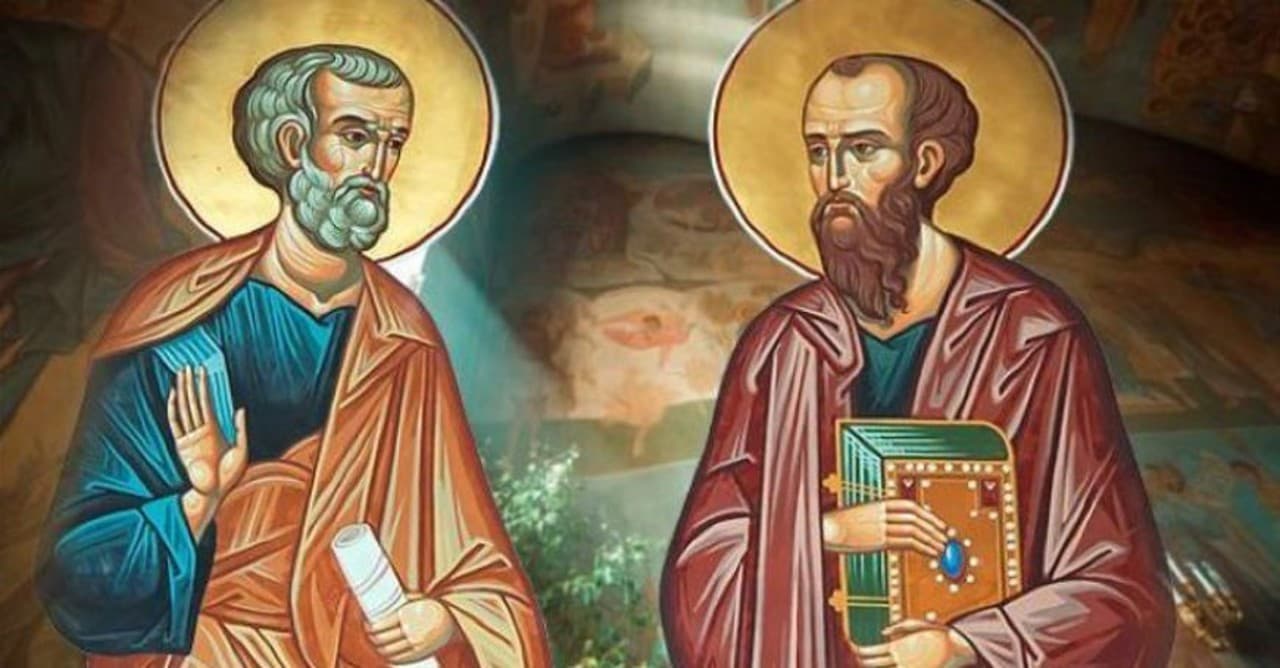
Creştinismul s-a răspândit în lume datorită propovăduirii apostolice. Biserica s-a zidit pe mărturia Apostolilor, care plini de harul Duhului Sfânt din ziua Cincizecimii au vestit lumii Evanghelia primită de la Domnul nostru Iisus Hristos. Ei au adus neamurile „la dumnezeiasca cunoştinţă”, luminând prin Sfintele Taine pe cei care L-au urmat pe Hristos şi L-au mărturisit ca Fiu al lui Dumnezeu şi Mântuitor al lumii.
Între Apostoli cei mai cunoscuţi sunt Sfinţii Petru şi Pavel, pe care Biserica îi sărbătoreşte împreună, 12 iulie. Această serbare comună este legată de martirizarea lor la Roma în anul 67, în timpul persecuţiei împăratului Nero, iar data de 12 iulie este cea a mutării sfintelor moaşte ale „celor doi Sfinţi Apostoli la locul numit ad catacumbas, de pe Via Appia din Roma, la 258” (Pr. prof. univ. dr. Ene Branişte, Liturgica generală).
Sfinţii Petru şi Pavel sunt consideraţi corifeii Apostolilor. Ei sunt legaţi în activitatea lor apostolică de vestirea Sfintei Evanghelii în capitala imperială Roma, unde au suferit moarte martirică. Pe locurile unde au fost martirizaţi, astăzi, sunt două bazilici impresionante: a Sfântului Apostol Petru, la Vatican, precum și cea închinată Sfântului Apostol Pavel, din afara zidurilor.
„În icoanele lor, cei doi Apostoli sunt reprezentați ținând în mâini Biserica în chipul unei mici biserici bizantine - aceasta, pentru că acești doi Apostoli au fost cu adevărat stâlpii și pietrele de temelie pe care s-a construit sfântul așezământ al Bisericii lui Hristos. Și reuniți amândoi într-o singură sărbătoare, zugrăviți împreună în aceeași icoană, simbolizează unitatea credinței, unitatea Bisericii...”
Sfântul Apostol Petru
Este cel mai vârstnic dintre Apostolii lui Hristos şi frate al primului chemat la apostolat, Sfântul Apostol Andrei. Cei doi Apostoli erau de loc din Betsaida Galileei, iar tatăl lor se numea Iona. În momentul chemării sale la apostolat, Petru locuia în Capernaum şi era căsătorit. Numele său era Simon şi este schimbat în Petru (Chefa în ebraică înseamnă „piatră”) de către Mântuitorul Iisus Hristos.
Sfântul Apostol Petru urmează chemării lui Hristos, devenind ucenic al Lui. Timp de peste trei ani este alături de Domnul nostru Iisus Hristos, fiind martor la toate evenimentele legate de mântuirea neamului omenesc. El mărturiseşte în numele tuturor Apostolilor că Învăţătorul lor este Hristos, Fiul lui Dumnezeu (Matei 16, 16). Însă tot el este cel care se leapădă de Hristos în noaptea Sfintelor Pătimiri, fiind reintregat între Apostoli după Înviere de Domnul Iisus Hristos când Se arată ucenicilor la Marea Galileei. Sfântul Petru în ziua Învierii este martor al mormântului gol şi apoi este prezent la arătările Domnului Iisus Hristos înviat în faţa Sfinţilor Apostoli.
Este prezent alături de ceilalţi ucenici la Înălţarea la cer a Domnului şi după acest moment este cel care propune alegerea unui alt apostol în locul lui Iuda. După Pogorârea Duhului Sfânt, în ziua Cincizecimii, vorbeşte iudeilor din Ierusalim şi în urma cuvântării sale s-au botezat „ca la trei mii de suflete” (Faptele Sfinţilor Apostoli 2, 41), constituindu-se prima comunitate creştină.
Până în anul 50, activitatea sa misionară s-a desfăşurat în Ţara Sfântă. După Sinodul apostolic, unde ţine o importantă cuvântare, pleacă în Antiohia unde predică Evanghelia. În aria sa misionară se află şi provinciile romane din Asia Mică: Galatia, Capadocia, Asia, Bitinia şi Pont. Dacă parcurgem prima sa epistolă sobornicească, aflăm că a predicat şi în Babilon (1 Petru 5, 13). După o tradiţie „consemnată de Origen şi citată de Eusebiu, se crede că a predicat şi în Macedonia”, iar după Sfântul Apostol Pavel (1 Corinteni 1, 12-13) şi Sfântul Clement Romanul, Sfântul Apostol Petru „a stat un timp şi în Corint” (Pr. prof. dr. Ioan Rămureanu, Istoria Bisericească Universală). Activitatea sa misionară se încheie la Roma, unde este martirizat.
Sfântul Apostol Pavel
A fost supranumit „Apostolul Neamurilor” pentru ampla sa activitate misionară desfăşurată printre neamurile păgâne din Imperiul Roman. El era originar din Tars, provincia Cilicia din Asia Mică, fiind un iudeu din diaspora evreiască. Primul său nume era Saul. Are parte de o educaţie clasică iudaică, dar îşi însuşeşte şi elemente ale civilizaţiei greco-romane. Din copilărie, ştie foarte bine limba greacă. Este cetăţean roman, ceea ce-i oferea un statut special în Imperiul Roman faţă de alţi iudei care nu se bucurau de acest lucru. El merge la Ierusalim, unde studiază la şcoala vestitului rabin Gamaliel.
În timpul activităţii mesianice a Domnului nostru Iisus Hristos, el era rabin în Tars. La Ierusalim revine când află de impactul major pe care-l au Apostolii lui Hristos asupra iudeilor din Ţara Sfântă şi se implică în persecutarea creştinilor din Iudeea. El este cel care păzeşte hainele celor care l-au omorât cu pietre pe Sfântul Ştefan (Faptele Sfinţilor Apostoli 7, 58). Se remarcă în timpul persecuţiilor la care sunt supuşi creştinii din Ierusalim de mai-marii comunităţii iudaice şi este trimis să desfiinţeze comunitatea creştină din Damasc. Pe drum are parte de arătarea minunată a Domnului nostru Iisus Hristos şi devine creştin, primind botezul în Damasc. Aici mărturiseşte Dumnezeirea lui Iisus Hristos şi comunitatea iudaică vrea să-l omoare. Este ajutat de creştini să scape şi se retrage trei ani în Arabia. Apoi vine la Ierusalim, unde intră în cercul Apostolilor. În urma ameninţărilor pe care le primeşte de la iudeii elenişti, pleacă la Tars, de unde este chemat în Antiohia de Barnaba pentru a converti pe păgâni la creştinism.
Din Antiohia pleacă în prima sa călătorie misionară (45-48) şi merge în insula Cipru, aici ia numele de Pavel de la proconsulul roman Sergius Paulus, pe care-l converteşte la creştinism, după cum subliniază pr. prof. dr. Ioan Rămureanu, în Istoria Bisericească Universală. Din Cipru merge în Perga Pamfiliei şi de acolo la Ierusalim. Participă la Sinodul apostolic din anul 50 şi are un rol determinant în neimpunerea rânduielilor mozaice creştinilor proveniţi dintre păgâni.
A doua călătorie misionară se desfăşoară între anii 51 şi 54. Sfântul Apostol Pavel merge în Siria, Cilicia, Licaonia, Galatia, Figia, Misia, oraşul Troa, insula Samotrace, Neapolis, în Macedonia şi face prima comunitate creştină din Europa la Filipi. Ajunge la Tesalonic, unde converteşte mulţi greci şi romani. De aici merge în Bereea şi apoi la Atena, unde vorbeşte în Areopag. Timp de un an şi jumătate stă în Corint, unde predica sa aduce pe mulţi la creştinism. Pleacă din cauza agitaţiilor iudaice şi ajunge la Efes, iar de aici, pe mare, merge în Cezareea Palestinei, apoi la Ierusalim, de unde după Paşti se întoarce în Antiohia. De aici pleacă în a treia sa călătorie misionară (54-58). Vizitează comunităţile din Galatia şi Frigia, rămâne în Efes timp de doi ani şi jumătate. În anul 57 merge în Macedonia şi de aici în Iliria. Coboară în Grecia, la Corint, şi de aici, trecând prin Macedonia, ajunge la Troa şi Assus, apoi se opreşte la Milet. De aici merge în Tir, Ptolemaida şi Cezareea Palestinei. În anul 58 este la Ierusalim, unde este arestat şi trimis la Cezareea Palestinei. Aici stă închis timp de doi ani. Face apel la judecata împăratului (putea să ceară acest lucru în calitate de cetăţean roman) şi este trimis la Roma. După un naufragiu în dreptul insulei Malta, ajunge la Roma în primăvara anului 61. Aici este închis într-o casă, unde putea primi pe oricine, timp de doi ani. În anul 63 este eliberat şi continuă activitatea sa misionară. Întreprinde noi călătorii în estul Imperiului Roman, după cum aflăm din epistolele sale. Se pare că a ajuns şi în partea vestică a imperiului, în Spania. Din tradiţia creştină ştim că sfârşitul său martiric a fost la Roma în anul 67.
La sărbătoarea lor comună de mâine, și noi să mărturisim prin imnografia sărbătorii: „Cei ce sunteți între Apostoli mai întâi pe scaun șezători și lumii învățători, Stăpânului tuturor rugați-vă, pace lumii să dăruiască și sufletelor noastre mare milă”.