Dogmatică Teologică
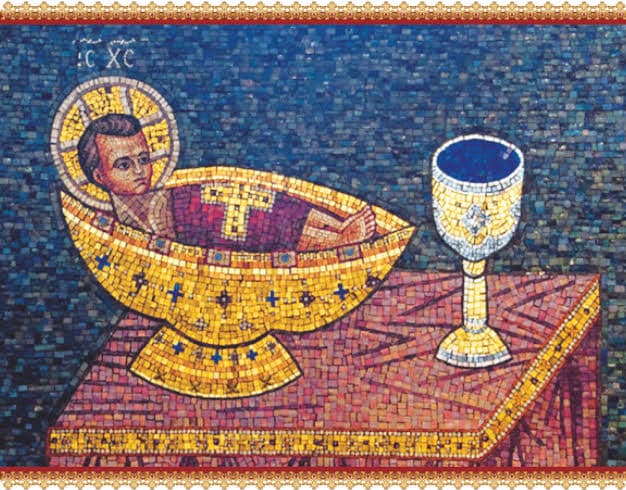
„Înalță-Te peste ceruri, Dumnezeule”: se retrage Hristos din Potir?
· ~23 min citire · 4 vizualizări
Formularea unei neînţelegeri
În unele medii clericale circulă opinia potrivit căreia, după împărtășirea credincioșilor și transferul Sfintelor Daruri de pe Sfânta Masă la proscomidiar, însoțit de stihul „Înalță-Te peste ceruri, Dumnezeule, și peste tot pământul slava Ta” (Ps 56:7,14), Hristos S-ar „retrage” din Euharistie. Conținutul Potirului ar deveni astfel simple „resturi euharistice”, care trebuie consumate, dar care nu ar mai fi în sens deplin Trupul și Sângele Domnului. Studiul de față examinează această teorie din patru perspective complementare: dogmatică, patristică, istorico-liturgică și pastorală.
Analiza arată că opinia unei prezențe temporare sau reversibile nu poate fi armonizată cu realismul euharistic ortodox, cu mărturia Sfântului Chiril al Alexandriei despre permanența puterii sfințitoare în Darurile păstrate, cu rânduiala Darurilor Înaintesfințite și a împărtășirii bolnavilor, nici cu terminologia și rugăciunile ritului final al Liturghiei. Stihul psalmic și transferul la proscomidiar au o funcție iconică și doxologică: ele pot reprezenta Înălțarea Domnului, dar nu produc o schimbare ontologică a Darurilor. Distincția corectă trebuie făcută între încheierea împărtășirii publice, schimbarea funcției rituale a Sfintelor Daruri și permanența identității lor sacramentale.
În forma actuală a Liturghiei bizantine, după împărtășirea credincioșilor, preotul binecuvântează poporul cu Sfintele Daruri, apoi le transferă la proscomidiar, rostind stihul: „Înalță-Te peste ceruri, Dumnezeule, și peste tot pământul slava Ta”. La proscomidiar, diaconul sau, în lipsa lui, preotul strânge cu grijă și consumă ceea ce a rămas în Sfântul Potir, după care spală vasele sfinte.
Pornind de la simbolismul ascensional al stihului și de la faptul că, în această ultimă fază, nu se mai rostesc formulele personale ale împărtășirii, unii au ajuns la concluzia că prezența euharistică deplină ar înceta odată cu transferul. Hristos ar fi fost prezent în mod real pe Sfânta Masă, unde s-au împărtășit clericii și credincioșii; la proscomidiar ar rămâne numai materia rezultată din celebrarea Tainei, „suficient de sfântă” pentru a nu fi aruncată, dar nu identică ontologic cu Trupul și Sângele Domnului.
De regulă, această opinie nu provine dintr-o negare conștientă a Euharistiei și nici din rea-voință. Ea se naște mai curând dintr-o pietate vizuală și narativă, care dorește să identifice în fiecare mișcare liturgică un episod precis din viața Mântuitorului. Problema începe atunci când reprezentarea mistagogică este transformată într-o afirmație dogmatică: ceea ce simbolizează Înălțarea este interpretat ca producând literalmente retragerea lui Hristos din Daruri.
Întrebarea este importantă deoarece atinge însăși natura sfințirii euharistice. Dacă prezența poate înceta printr-un transfer spațial de doi-trei metri și prin rostirea unui verset, atunci prefacerea ar fi reversibilă, iar identitatea Darurilor ar depinde de locul ocupat în altar și de funcția lor rituală momentană. O asemenea concepție ar avea consecințe directe nu doar asupra Darurilor consumate, ci și asupra rezervei euharistice, a împărtășirii bolnavilor și a Liturghiei Darurilor Înaintesfințite.
1. Distincțiile de la care trebuie pornit
Pentru limpezirea problemei trebuie deosebite trei realități, strâns unite în Liturghie, dar nu identice: prefacerea Darurilor, împărtășirea comunității și consumarea celor rămase.
Prefacerea privește identitatea sacramentală a pâinii și a vinului. Prin întreaga rugăciune euharistică, având drept culme anamneza, oferirea și epicleza, Biserica cere ca Darurile puse înainte să fie făcute Trupul și Sângele lui Hristos. Împărtășirea privește primirea personală și eclesială a acestor Daruri de către cler și popor. La sfârșitul celebrării euharistice slujitorii consumă complet cele rămase, astfel încât nimic din cele sfințite să nu fie pierdut, profanat ori lăsat să se altereze.
Deosebirea dintre aceste momente este una funcțională și rituală, nu una ontologică. Formula „Se împărtășește robul lui Dumnezeu…” nu sfințește Darurile și nu menține prezența lui Hristos în ele. Ea identifică persoana care primește Taina și exprimă scopul primirii: „iertarea păcatelor și viața de veci”. În consecință, absența acestei formule la proscomidiar nu poate desființa ceea ce formula nu a produs.
La fel, expresia „resturi euharistice” este acceptabilă numai în sens cantitativ și liturgic: este vorba despre ceea ce a rămas după împărtășirea comunității. Ea devine înșelătoare atunci când sugerează o schimbare de natură, ca și cum Trupul și Sângele Domnului s-ar fi transformat în reziduuri nesacramentale. „Rămășiță” indică raportul cu cantitatea distribuită; nu indică diminuarea sau încetarea prezenței reale.
Mai trebuie deosebită încheierea arătării publice a Darurilor de încetarea prezenței lor. După ultima binecuvântare cu Potirul, comunitatea nu mai este chemată la împărtășire, iar vasele sunt retrase din câmpul vizibil al credincioșilor. Din punct de vedere ritual, comuniunea publică s-a încheiat. De aici nu urmează însă că identitatea sacramentală a conținutului Potirului s-a schimbat.
2. Argumentul dogmatic: prefacerea nu este o prezență locală și temporară
Învățătura ortodoxă nu descrie Euharistia ca pe o pâine în care Hristos ar intra pentru un timp și din care S-ar retrage la sfârșitul slujbei. După prefacere, Darurile nu sunt numai purtătoare ale unei prezențe adăugate din exterior, ci sunt cu adevărat Trupul și Sângele Domnului. Tocmai de aceea expresia „Hristos se retrage” este improprie: ea presupune persistența unei pâini autonome, folosite temporar drept recipient al prezenței divine.
Mărturisirea lui Dositei, primită la Sinodul de la Ierusalim din 1672, formulează cu o precizie deosebită permanența acestei identități. Decretul XVII afirmă că Euharistia este adevăratul Trup al Domnului „înainte de întrebuințare, în întrebuințare și după întrebuințare”, inclusiv atunci când este păstrată în vasele sfinte pentru împărtășirea celor aflați în primejdie de moarte (Dositei al Ierusalimului, Mărturisirea, Decretul XVII). Formularea a apărut într-un context polemic postbizantin și utilizează un vocabular marcat de controversa cu teologiile apusene; totuși, afirmația ei centrală este limpede și consonantă cu practica mult mai veche a Bisericii: întrebuințarea nu constituie și nu limitează identitatea euharistică.
Același document insistă că Hristos este prezent întreg în fiecare parte a Darurilor, fără multiplicarea sau fragmentarea Trupului Său. Frângerea și împărțirea privesc chipurile sensibile ale Tainei, nu integritatea lui Hristos. De aceea, nici micșorarea cantității, nici deplasarea vasului nu pot determina o diminuare a prezenței.
Nu este necesar și nici riguros să numim presupusa retragere „despanație”. Termenul nu aparține vocabularului dogmatic consacrat. De asemenea, analogiile cu „impanația” sau „consubstanțierea” trebuie folosite cu multă prudență. „Consubstanțierea” este adesea atribuită simplist doctrinei luterane, deși teologia luterană clasică nu se autodefinește astfel; „impanația” desemnează alte construcții medievale despre unirea Logosului cu pâinea. Opinia analizată aici nu trebuie identificată fără dovezi cu niciuna dintre aceste teorii. Cea mai exactă descriere este aceea de sfințire reversibilă sau de prezență sacramentală locală și temporară. Tocmai această idee este străină realismului euharistic ortodox.
Dacă prefacerea ar înceta la transfer, ar trebui să existe în rânduială un act sau o intenție eclesială care să opereze această schimbare inversă. Nu există însă nicio rugăciune de „desfințire”, nicio epicleză negativă și nicio rubrică potrivit căreia Darurile ar redeveni pâine și vin. Un stih doxologic nu poate fi investit cu o putere sacramentală pe care textul și tradiția nu i-o atribuie.
3. Sfântul Chiril al Alexandriei și permanența puterii sfințitoare
Mărturia patristică cea mai directă pentru subiectul nostru se află în scrisoarea Sfântului Chiril al Alexandriei către episcopul Calosirie. În cataloagele moderne textul este, de regulă, identificat ca Epistula ad Calosyrium, Epistola 83 (PG 76, 1076A) – «Μαίνονται δὲ ταῦτα λέγοντες· οὐ γὰρ ἀλλοιοῦται Χριστός, οὐδὲ τὸ ἅγιον αὐτοῦ σῶμα μεταβληθήσεται, ἀλλ᾽ ἡ τῆς εὐλογίας δύναμις καὶ ἡ ζωοποιὸς χάρις διηνεκῶς ἐστιν ἐν αὐτῷ. / „Cei care spun acestea sunt nebuni; căci Hristos nu Se schimbă și nici sfântul Său Trup nu se va preface în altceva, ci puterea binecuvântării și harul de viață făcător rămân neîncetat în el».
Sfântul Chiril răspunde unei opinii potrivit căreia „binecuvântarea tainică” și-ar pierde puterea dacă o parte din Euharistie ar rămâne până a doua zi. El califică această afirmație drept nebunească și explică faptul că Hristos nu Se schimbă, iar puterea binecuvântării și harul de viață făcător rămân neîncetat în Daruri.
Textul răspunde aproape literal problemei de față. Dacă trecerea unei nopți nu face ca Darurile să înceteze a fi Trupul Domnului, cu atât mai puțin transferul lor, în cadrul aceleiași celebrări, de pe Sfânta Masă la proscomidiar poate produce o asemenea schimbare. Argumentul Sfântului Chiril nu se sprijină pe durata păstrării, pe locul Darurilor sau pe repetarea unei formule, ci pe neschimbarea lui Hristos și pe permanența lucrării sfințitoare.
Practica veche confirmă această convingere. Scrisoarea 93 a Sfântului Vasile cel Mare amintește păstrarea Împărtășaniei de către pustnici și, în anumite regiuni, de către credincioși, pentru primirea ulterioară. Dincolo de disciplina concretă, care s-a modificat în timp, mărturia este incompatibilă cu ideea că prezența euharistică ar fi limitată la Sfânta Masă sau la durata adunării (Vasile cel Mare, Epistola 93).
Tot din această credință se explică grija patristică pentru fiecare părticică. Cateheza mistagogică atribuită Sfântului Chiril al Ierusalimului cere credinciosului să vegheze ca nimic să nu se piardă, socotind pierderea unei fărâme din Trupul Domnului mai gravă decât pierderea aurului sau a pietrelor prețioase (Chiril al Ierusalimului, Cateheza mistagogică V, 21–22). O asemenea vigilență ar fi lipsită de sens dacă fragmentele ar fi sfinte numai pe durata distribuirii publice.
Mărturia Sfântului Anastasie Sinaitul trebuie utilizată cu mai multă precauție. În Hodegos, în polemica împotriva aftartodocheților, el invocă alterabilitatea speciilor euharistice pentru a susține realismul Trupului asumat și pătimitor al lui Hristos. Argumentația sa are un context hristologic specific și nu trebuie transformată într-o definiție generală a modului prezenței euharistice. Totuși, ea arată că alterarea fizică a chipurilor sensibile nu era identificată automat cu o retragere rituală a lui Hristos. Pentru tema noastră, mărturia decisivă rămâne cea a Sfântului Chiril al Alexandriei.
4. Argumentul istoric: gestul practic, stihul doxologic și simbolismul Înălțării
Istoria ritului final ajută la înțelegerea genezei confuziei. Liturghia bizantină actuală este rezultatul unei dezvoltări îndelungate, în care vechi acțiuni practice au primit treptat texte însoțitoare și interpretări mistagogice. Robert F. Taft a arătat că riturile dintre împărtășire și concediere conțin straturi provenite din epoci diferite, iar forma lor actuală nu trebuie proiectată integral asupra primelor secole (Robert F. Taft, A History of the Liturgy of Saint John Chrysostom, vol. VI: The Communion, Thanksgiving and Concluding Rites, OCA 281, Roma 2008).
Mărturia din Chronicon Paschale pentru anul 624 descrie, după împărtășire, readucerea vaselor sfinte la skeuophylakion și introducerea imnului „Să se umple gurile noastre de lauda Ta, Doamne”. Taft observă că materialul intercalat astăzi între vechiul psalm de împărtășire și doxologia lui s-a adăugat progresiv, ceea ce explică structura multistratificată a secvenței.
Codex Barberinus gr. 336, cel mai vechi Eucologion bizantin amplu păstrat, nu oferă stihul „Înalță-Te peste ceruri” în forma rituală actuală. Această absență trebuie însă interpretată metodologic corect. Un Eucologion vechi nu este un scenariu exhaustiv al întregii celebrări: el poate omite rubrici, cântări și formule diaconale cunoscute în practică. Prin urmare, lipsa stihului din Barberini gr. 336 nu demonstrează singură că el nu exista nicăieri; demonstrează numai că nu făcea parte din formularul eucologic timpuriu conservat acolo.
Atestarea mistagogică sigură se găsește în Protheoria, comentariu compus la sfârșitul secolului al XI-lea de Nicolae de Andida și transmis ulterior, în unele manuscrise, și sub numele lui Teodor de Andida. Textul spune explicit că ridicarea celor rămase din dumnezeieștile Daruri sugerează Înălțarea Domnului și adaugă că preotul rostește atunci stihul „Înalță-Te peste ceruri, Dumnezeule…” (Protheoria, PG 140, 465). Așadar, la acea dată, gestul și stihul erau deja articulate într-o lectură ascensională.
Nu putem afirma că Protheoria a „inventat” stihul sau că autorii ei l-au introdus direct în Liturghie. Pentru o asemenea concluzie ar fi necesară demonstrarea exhaustivă a tradiției manuscrise anterioare. Putem însă considera că Protheoria constituie una dintre cele mai vechi și mai influente mărturii ale interpretării transferului drept icoană a Înălțării și că această interpretare a contribuit la fixarea și răspândirea sensului său mistagogic (Integrala Comentariilor Liturgice Bizantine [Sibiu, 2011], p. 313).
Datele istorice nu reduc stihul la un adaos lipsit de valoare, ci îi stabilesc funcția. Versetul nu aparține cuvintelor prin care Biserica cere prefacerea Darurilor și nu are o funcție consacratoare sau deconsacratoare. El este o aclamație doxologică, integrată într-un gest care a primit o interpretare iconică. Din punct de vedere metodologic, un strat mistagogic secundar nu poate fi folosit pentru a contrazice o realitate dogmatică pe care o presupune întreaga celebrare.
5. Înălțarea ca icoană liturgică, nu ca retragere ontologică
Interpretarea tradițională a transferului ca icoană a Înălțării este legitimă, cu condiția respectării naturii simbolului liturgic. Simbolul nu este o simplă decorație mentală, dar nici nu reproduce material și succesiv toate evenimentele vieții lui Hristos. El face prezentă iconomia mântuirii în ordinea anamnezei, a contemplării și a participării eclesiale; nu schimbă identitatea sacramentală a Darurilor de fiecare dată când reprezentarea trece de la un episod la altul.
Nicolae Cabasila explică faptul că rugăciunile, cântările și mișcările Liturghiei arată iconomia lui Hristos, iar actul central al slujbei este prefacerea Darurilor în dumnezeiescul Trup și Sânge. În gândirea sa, planul simbolic și realismul sacramental nu se exclud: simbolurile conduc la contemplarea lucrării mântuitoare, în timp ce Darurile prefăcute sunt prezența reală a Celui răstignit, înviat și înălțat (Nicolae Cabasila, Tâlcuirea Dumnezeieștii Liturghii, cap. 1 și 27–32).
Chiar conținutul dogmatic al Înălțării exclude ideea abandonării Bisericii. Hristos Se înalță la Tatăl fără să înceteze a fi cu ucenicii: „Iată, Eu cu voi sunt în toate zilele, până la sfârșitul veacului” (Mt 28:20). Înălțarea nu este dispariție, ci proslăvirea umanității Sale și începutul unui mod nou de prezență în Biserică prin Duhul Sfânt. Dacă sensul istoric al praznicului nu este „Hristos ne părăsește”, nici icoana sa liturgică nu poate însemna „Hristos părăsește Potirul”.
Mai mult, Anaforaua însăși pomenește Înălțarea la ceruri și șederea de-a dreapta Tatălui înainte de epicleză. Biserica nu opune Înălțarea prezenței euharistice, ci mărturisește că Trupul oferit în Euharistie este Trupul Celui răstignit, înviat și înălțat. A interpreta un stih al Înălțării ca încetare a prezenței ar contrazice chiar arhitectura teologică a Anaforalei.
Stihul din Ps 56 este, în sensul său propriu, o doxologie: Dumnezeu este chemat să-Și arate slava peste ceruri și peste întreg pământul. El nu spune că Dumnezeu părăsește materia, comunitatea sau lumea. Dimpotrivă, ultima parte proclamă extinderea slavei Sale „peste tot pământul”. Folosirea stihului pentru a demonstra retragerea locală a lui Hristos este contrară atât sensului psalmului, cât și teologiei Înălțării.
6. Mărturia ritului final: rugăciunea „Plinirea Legii și a Prorocilor”
Un argument liturgic important se află chiar în secvența finală a Liturghiei. În timp ce diaconul rânduiește și consumă Sfintele Daruri la proscomidiar — sau, în unele ediții și practici, când preotul se apropie de proscomidiar în aceeași secvență — se rostește rugăciunea: „Plinirea Legii și a Prorocilor Tu Însuți fiind, Hristoase, Dumnezeul nostru, Cel ce ai plinit toată rânduiala cea părintească, umple de bucurie și de veselie inimile noastre, totdeauna, acum și pururea și în vecii vecilor. Amin.”
Liturghierul introduce rugăciunea prin rubrica potrivit căreia preotul merge la Proscomidiar, în vreme ce diaconul „consumă Sfintele Taine rămase în Sântul Potir, cu toată grija, cu frică şi cu toată paza, ca nu cumva vreo firimitură sau părticică, oricât de mică, să cadă sau să rămână în Sfântul Potir” (Liturghier [BOR, 2012], p. 201). Însăşi rugăciunea Îi este adresată direct lui Hristos și interpretează încheierea Liturghiei ca plinire a iconomiei Tatălui, nu ca dispariție a prezenței sacramentale.
Adresarea hristologică a rugăciunii nu constituie singură o demonstrație a prezenței locale în Potir: Biserica se roagă lui Hristos pretutindeni. Forța argumentului rezultă din asocierea ei cu terminologia rubricilor și cu acțiunea concretă. Tocmai în timp ce sunt consumate cele rămase, cărțile liturgice continuă să le numească „Sfintele” sau „Sfintele Daruri”, cer frică și atenție absolută și încheie lucrarea printr-o rugăciune de bucurie pentru iconomia împlinită. Nimic nu sugerează trecerea de la Taină la reziduu profan.
Rugăciunea corectează și o înțelegere prea scenică a stihului ascensional. Hristos nu „iese” din Liturghie ca un personaj care părăsește scena. El este Cel care a împlinit toată iconomia și Care umple inimile slujitorilor cu bucurie. Finalul Liturghiei este mulțumire și comuniune împlinită, nu deconsacrare.
7. Ce înseamnă „potrivirea”: συστέλλειν, rânduire și consumare
În limbajul liturgic românesc, „potrivirea Sfintelor” desemnează ansamblul acțiunilor prin care clericul adună cu grijă toate părticelele, consumă conținutul Potirului, îl spală și se asigură că nimic din cele sfinte nu rămâne neglijat. Termenul românesc sugerează punerea în ordine și săvârșirea completă, nu transformarea Sfintelor într-un lucru comun.
Rubrica greacă folosește frecvent verbul συστέλλειν: „ὁ διάκονος συστέλλει τὰ Ἅγια”. Verbul poate însemna a strânge, a aduna, a rândui cu grijă, incluzând contextual şi consumarea lor. Pentru consumarea propriu-zisă apare și termenul καταλύειν sau κατάλυσις. Distincția este utilă, dar nu absolută: mai întâi sunt strânse și rânduite Sfintele, apoi sunt consumate în întregime. Nici unul dintre acești termeni nu înseamnă „a elimina niște reziduuri” în sens profan.
Rubrica tradițională este remarcabilă prin obiectul verbului: diaconul nu strânge „rămășițele pâinii”, ci „Sfintele” — τὰ Ἅγια. El o face „cu toată grija, cu frică şi cu toată paza”, pentru ca nici cele mai mici fragmente să nu cadă sau să rămână. Lexicul ritului constituie aici o mărturie teologică: aceeași realitate care fusese oferită poporului drept Sfinte Taine este rânduită și consumată la Proscomidiar.
A spune că actul nu mai este o a doua împărtășire liturgică distinctă este corect. Clericul nu repetă chemarea comunității, nu reia formula personală și nu inaugurează un nou moment de comuniune. Dar, material și sacramental, el primește același Trup și același Sânge. Deosebirea privește funcția actului — finalizarea și paza Tainei —, nu natura a ceea ce este primit.
8. Agnețul, Sfântul Sânge și miridele: o distincție necesară
Problema miridelor trebuie tratată separat, deoarece amestecarea ei cu tema permanenței Agnețului produce confuzii suplimentare. În rânduiala proscomidiei sunt scoase părticele pentru Maica Domnului, pentru cetele sfinților și pentru cei vii și adormiți. Obiectul direct al prefacerii euharistice este Agnețul și conținutul Potirului pus înainte la Anaforă. Miridele comemorative nu sunt oferite credincioșilor drept Trupul lui Hristos și nu se transformă în trupurile persoanelor pe care le reprezintă.
Sfântul Simeon al Tesalonicului formulează explicit distincția: miridele „nu se prefac nici în Trupul Domnului, nici în trupurile sfinților”, ci sunt daruri și ofrande aduse în numele lor; ele se sfințesc prin apropierea de Taine, prin unire și prin participare (Simeon al Tesalonicului, Despre Sfânta Liturghie, 85–86). Această precizare păstrează în același timp caracterul unic al Agnețului euharistic și sfințenia reală dobândită de miride în contextul Tainei.
În secolele târzii au existat discuții despre statutul miridelor și despre efectul introducerii lor în Sfântul Potir. Aceste controverse pot explica anumite raționalizări locale ale actului potrivirii. Totuși, în lipsa unei surse documentare precise, nu poate fi afirmat ca fapt istoric că teoria retragerii lui Hristos s-ar fi născut anume pentru a „egaliza” Agnețul și miridele după transfer. O asemenea genealogie rămâne o ipoteză și nu trebuie prezentată drept concluzie stabilită.
Teologic, disputa miridelor nu oferă nicio soluție în favoarea retragerii. Chiar dacă miridele își păstrează un statut distinct de Agneț, introducerea lor în Potir nu poate schimba retrospectiv identitatea Agnețului și a Sfântului Sânge. Sfințenia dobândită prin unire nu anulează prefacerea; iar diferența dintre elementele aflate în Potir nu poate fi rezolvată prin postularea unei deconsacrări generale.
Din punct de vedere pastoral, această distincție cere atenție și în limbaj. Nu este corect să se spună simplu că „tot ce se află pe Disc se preface în Trupul lui Hristos”, dar este la fel de greșit să se concluzioneze că, după introducerea miridelor, nimic din Potir nu mai este Trupul și Sângele Domnului. Agnețul și Sfântul Sânge își păstrează identitatea sacramentală, iar întregul conținut este tratat cu maximă evlavie.
9. Argumentele invocate în favoarea teoriei și evaluarea lor
Pentru o analiză echitabilă, trebuie formulate în cea mai puternică formă argumentele pe care le-ar putea aduce susținătorii teoriei retragerii.
a) „Stihul spune că Dumnezeu Se înalță”
Acesta este argumentul principal. Dacă transferul reprezintă Înălțarea, iar Înălțarea este plecarea lui Hristos la cer, atunci Hristos ar părăsi și Darurile.
Răspunsul este dublu. Mai întâi, stihul este doxologic și cere manifestarea slavei lui Dumnezeu; nu afirmă încetarea prezenței. Apoi, Înălțarea însăși nu este abandonarea Bisericii. Simbolul liturgic reprezintă proslăvirea și retragerea din vederea ucenicilor, nu separarea ontologică a dumnezeirii de Trupul euharistic.
Mai mult decât atât: când, de exemplu, după Intrarea Mare, rostim tropare despre punerea în mormânt a Domnului, nu spunem că la propriu Îl îngropăm pe Hristos, la fel cum nu-L împungem în coastă de fiecare dată când săvârșim Proscomidia. De ce am crede că odată cu transferarea Darurilor la Proscomidiar și rostirea unui verset din Psalmi, înălțarea la ceruri ar fi un act consumat repetitiv? Și, la urma-urmei, Hristos S-a înălțat cu Trupul la cer; de ce acum și-ar lăsa Trupul sau ar renunța la el?
b) „Formulele de împărtășire s-au încheiat”
Se observă corect că la proscomidiar nu se mai rostește „Se împărtășește robul lui Dumnezeu…”. Dar formula privește persoana și actul ritual al primirii, nu prefacerea Darurilor. Dacă prezența ar depinde de rostirea acestei formule, ea ar trebui să înceapă abia în clipa primirii fiecărei persoane, concluzie pe care nimeni nu o susține. Darurile sunt deja Trupul și Sângele Domnului înainte ca primul cleric să se împărtășească.
c) „Scopul Euharistiei este împărtășirea; după împlinirea scopului, prezența încetează”
Împărtășirea Bisericii este într-adevăr finalitatea proprie a celebrării euharistice. Dar scopul unei realități nu determină durata identității sale. Darurile păstrate pentru bolnavi nu încetează să fie Euharistie între momentul sfințirii și primirea lor. Mărturisirea lui Dositei al Ierusalimului afirmă tocmai independența identității sacramentale față de întrebuințarea imediată.
d) „La Proscomidiar se află un amestec de Agneț și miride”
Amestecul nu anulează identitatea elementelor euharistice. Miridele nu transformă Agnețul în pâine nesfințită și nici nu cer o deconsacrare a întregului Potir. Dimpotrivă, tradiția explică sfințirea miridelor prin unirea lor cu Tainele, ceea ce presupune permanența Sfintelor Taine, nu încetarea lor.
e) „Prezența deplină este legată de Sfânta Masă”
Sfânta Masă este centrul sacramental al bisericii și locul jertfei euharistice. Centralitatea ei nu trebuie însă confundată cu o localizare exclusivă a lui Hristos. Darurile sunt ridicate, frânte, purtate, oferite poporului, păstrate în chivot și duse bolnavilor. Dacă fiecare deplasare le-ar schimba ontologia, întreaga practică liturgică ar deveni incoerentă.
În concluzie, argumentele „pro” surprind realități rituale adevărate — încheierea comuniunii publice, simbolismul Înălțării, transferul într-un alt loc și diferența de formulare —, dar deduc din ele o concluzie ontologică pe care aceste realități nu o conțin.
10. Proba prin consecințe: Darurile Înaintesfințite și împărtășirea bolnavilor
Liturghia Darurilor Înaintesfințite constituie una dintre cele mai clare verificări ale principiului permanenței. Ea nu conține o nouă Anaforá și nicio nouă epicleză asupra Agnețului. Credincioșii primesc Daruri sfințite la o Liturghie anterioară, păstrate zile întregi, scoase din chivot, așezate pe Disc, purtate în procesiune și oferite spre împărtășire.
Dacă simplul transfer de pe Sfânta Masă la proscomidiar ar retrage prezența lui Hristos, Agnețul rezervat pentru Liturghia Darurilor Înaintesfințite și-ar pierde identitatea înainte de slujba la care urmează să fie primit. Pentru a evita consecința ar trebui inventată o excepție arbitrară: stihul ar „desacraliza” numai Darurile rămase în Potir, dar nu și Agnețele păstrate; sau ar produce efect numai într-un anumit moment, deși nicio rubrică nu spune aceasta.
Același principiu stă la baza împărtășirii bolnavilor și a muribunzilor. Darurile rezervate nu sunt o amintire a unei Euharistii trecute, ci adevăratul Trup și Sânge al Domnului, primit sacramental în afara celebrării în care au fost sfințite. Tocmai acest caz este invocat de Mărturisirea lui Dositei pentru a arăta că Darurile rămân adevăratul Trup al Domnului și după întrebuințarea liturgică imediată (Dositei, Decretul XVII).
Existența acestor practici nu este un argument marginal, ci o probă a credinței efective a Bisericii. Lex orandi nu cunoaște o prezență legată exclusiv de câteva minute, de o anumită masă sau de o anumită formulă. Biserica păstrează și oferă Darurile deoarece crede că lucrarea Sfântului Duh nu este anulată de timp și spațiu.
11. Sfintele vase și disciplina evlaviei
Cinstirea Sfântului Potir și a Sfântului Disc nu poate constitui singură o demonstrație dogmatică, dar confirmă ethosul liturgic al permanenței. Vasele sunt consacrate slujirii exclusive a Euharistiei și nu pot fi folosite în scop profan. Spălarea lor, consumarea apei și a vinului folosite pentru clătire și grija față de orice urmă presupun că ceea ce a atins Euharistia nu este tratat ca obiect comun.
Argumentul trebuie formulat corect. Sfințenia vaselor nu înseamnă că materia lor ar deveni identică ontologic cu Euharistia. Este o sfințenie derivată, funcțională și permanent destinată cultului. Totuși, ar fi profund incoerent ca Biserica să păstreze o reverență atât de strictă față de recipient, iar conținutul încă prezent în el să fie declarat nesacramental imediat după transfer.
Disciplina consumării Darurilor este tocmai consecința acestei conștiințe. Clericul nu „scapă” de ceea ce a rămas, ci împlinește slujirea Sfintelor. De aceea, rânduiala cere sobrietate, atenție și o grijă tehnică exactă. O teorie a retragerii poate produce efecte pastorale grave: potrivirea riscă să fie redusă la o operațiune de curățenie, iar neglijența față de cele mai mici particule să fie justificată prin presupusa lor lipsă de conținut sacramental.
12. Implicații teologice și pastorale
Prima implicație privește formarea clerului. Teologul și slujitorul trebuie să învețe să deosebească sensul practic, sensul iconic și sensul sacramental al aceluiași gest. Transferul la proscomidiar este unul practic, deoarece permite rânduirea vaselor și consumarea celor rămase; este iconic, deoarece poate reprezenta Înălțarea; este sacramental prin obiectul purtat, care rămâne Trupul și Sângele Domnului. Cele trei niveluri se completează, dar nu trebuie confundate.
A doua implicație privește cateheza. Comentariile mistagogice sunt o comoară a Tradiției, dar devin periculoase când sunt prezentate ca o cronologie materială în care Hristos „Se naște”, „moare”, „învie” și apoi „iese” succesiv din obiectele liturgice. Liturghia nu este teatru sacru în sens naturalist. Ea este anamneză iconică, participare la unica iconomie a lui Hristos și comuniune cu Împărăția.
A treia implicație privește limbajul. Este preferabil să se spună că după împărtășirea poporului se încheie distribuirea publică și că Darurile sunt retrase spre „potrivire”, nu că Hristos „pleacă” sau că Potirul conține numai „resturi”. Un limbaj neglijent poate fixa în conștiința clericilor o teologie pe care Biserica nu o mărturisește.
A patra implicație este canonică și ascetică. Cel care potrivește Sfintele trebuie să se afle în starea de pregătire cerută pentru slujire și să primească ceea ce a rămas cu aceeași credință și trezvie. Nu este vorba despre o a doua împărtășire separată, dar nici despre consumarea unui aliment obișnuit. Orice incident — vărsare, pierdere de particule, alterare din neglijență — trebuie tratat cu seriozitatea pe care o cere prezența reală.
În sfârșit, poziția corectă păstrează unitatea teologiei euharistice. Anaforaua, împărtășirea comunității, Darurile rezervate, Liturghia Darurilor Înaintesfințite, împărtășirea bolnavilor și potrivirea nu sunt practici izolate. Ele se întemeiază pe aceeași convingere: ceea ce Dumnezeu a prefăcut în Trupul și Sângele lui Hristos nu încetează a fi astfel printr-o schimbare de loc sau de funcție rituală.
Concluzie
Teoria potrivit căreia Hristos S-ar retrage din Sfintele Daruri odată cu transferul lor la proscomidiar și cu rostirea stihului „Înalță-Te peste ceruri, Dumnezeule” nu poate fi considerată compatibilă cu euharistologia ortodoxă. Ea confundă încheierea împărtășirii publice cu încetarea prezenței reale, simbolismul Înălțării cu o deconsacrare ontologică și diferența de funcție rituală cu schimbarea naturii Darurilor.
Argumentul dogmatic afirmă permanența identității euharistice independent de întrebuințare. Sfântul Chiril al Alexandriei respinge explicit ideea că puterea sfințitoare s-ar pierde prin păstrare. Istoria ritului arată că stihul ascensional aparține dezvoltării mistagogice a riturilor finale și nu are funcție de prefacere sau de desfacere a prefacerii. Terminologia Ieratikonului continuă să numească ceea ce se rânduiește la proscomidiar „Sfintele”, iar rugăciunea „Plinirea Legii și a Prorocilor” încheie secvența prin adresare către Hristos și mulțumire pentru iconomia împlinită. Darurile Înaintesfințite și împărtășirea bolnavilor ar fi imposibile fără aceeași permanență.
Poate fi admisă numai o „retragere” în sens vizibil și ritual: Sfintele Daruri nu mai sunt arătate comunității, iar distribuirea lor publică s-a încheiat. Ele sunt duse la proscomidiar, care în lectura mistagogică poate simboliza cerul și Înălțarea. Dar Hristos nu Se retrage din Trupul și Sângele Său. El rămâne prezent întreg și nedespărțit până la consumarea completă a Sfintelor Daruri.
Prin urmare, potrivirea nu este eliminarea unor reziduuri desacralizate, ci actul final de pază, primire și cinstire a aceleiași Euharistii. Stihul psalmic nu alungă prezența, ci proclamă slava Celui înălțat, Care a făgăduit: „Iată, Eu cu voi sunt în toate zilele, până la sfârșitul veacului” (Mt 28:20).