Other
Taina Sfântului Botez
58 vizualizări
Sfântul Botez este prima Taină prin care ne împărtășim de Harul Divin, intrăm în Biserică, acest Rai duhovnicesc despre care vorbesc Sfinții Părinți ”înscriindu-ne pe orbita în centrul căreia stă Hristos a cărui forță centripetă se manifestă în toate Sfintele Taine”. Botezul dăruiește darurile învierii și nemuririi dând viață sufletului, întărind și sporind credința, nădejdea și dragostea. El este începutul și temelia vieții în Hristos, este acea ”naștere din nou” despre care vorbea Mântuitorul cu Nicodim fără de care nimeni nu poate intra în împărăția cerurilor.
Botezul are un rol fundamental în inițierea și realizarea unirii credincioșilor cu Hristos, prin sălășluirea Lui tainică dar reală în ei. ”Ca primă Taină a încorporării noastre în Hristos, Botezul reprezintă Taina prin care Hristos se extinde prin Duhul în oameni ca să-i încorporeze în Sine și în Biserică”.
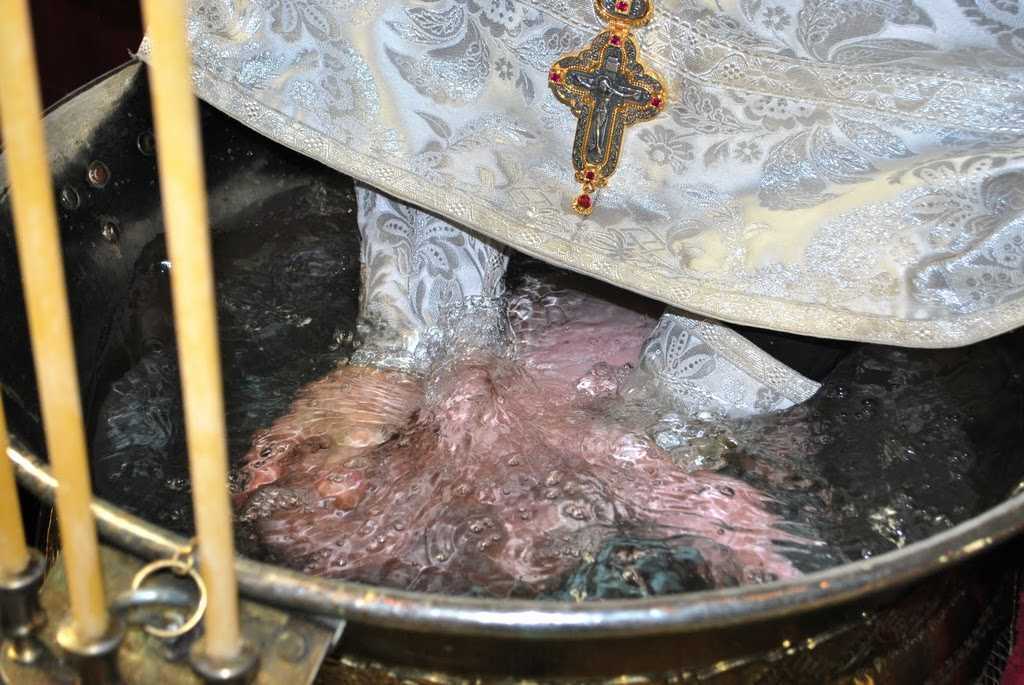
Botezul este prima din cele 7 Sfinte Taine instituite de Mântuitorul Iisus Hristos, prin care omul este primit în creștinism, poartă de intrare în creștinism. Prin această Sfântă Taină se iartă păcatul strămoșesc cât și cele personale (dacă este vorba de adult), se primește harul Duhului Sfânt în chip nevăzut prin lucrarea văzută a tainei: rugăciuni, cântări, imne bisericești, lecturi, acte liturgice, mărturisirea de credință (Crezul) precum și formula sacramentală în numele Sfintei Treimi, prin întreită afundare, după cum poruncea Mântuitorul Hristos: ,,Și apropiindu-Se Iisus, le-a vorbit lor, zicând: Datu-Mi-s-a toată puterea, în cer și pe pământ. Drept aceea, mergând, învățați toate neamurile, botezându-le în numele Tatălui și al Fiului și al Sfântului Duh, Învățându-le să păzească toate câte v-am poruncit vouă, și iată Eu cu voi sunt în toate zilele, până la sfârșitul veacului. Amin” (Matei XXVIII. 18-20). Harul Duhului Sfânt este necesar pentru mântuire. Afirmația confesiunilor neoprotestante și a altor confesiuni creștine că Botezul creștin ar fi instituit de Mântuitorul prin botezarea Sa în Iordan sau la convorbirea cu Nicodim este total neîntemeiată. Botezul cu care s-a botezat Mântuitorul la 30 de ani a fost botezul lui Ioan și nu Botezul creștin, întemeiat de Mântuitorul după Înviere. Botezul lui Ioan aparține Vechiului Testament iar Botezul creștin aparține Noului Testament. Între cele două botezuri există următoarele deosebiri:
Sfântul Ioan Botezătorul însuși a recunoscut: ”Eu vă botez cu apă […] iar Cel ce vine după mine vă va boteza în Duh Sfânt și cu foc” (Matei III.11);
Mântuitorul a afirmat același lucru: ”Ioan a botezat cu apă, iar voi vă veți boteza cu Duhul Sfânt” (Fapte I.5);
Sfinții Apostoli au arătat practic că nu consideră valabil botezul lui Ioan și au botezat încă o dată pe cei botezați de Ioan (Fapte XIX.6).
Prin Botez, ca ”baia nașterii din nou” (Tit III.5) devenim creaturi noi, Botezul fiind considerat de Sfinții Părinți ca fiind a doua creație. Acum devenim mădulare ale lui Hristos și deci mădulare ale Bisericii. Vedem prin aceasta că Botezul are nu numai caracter hristocentric ci și caracter ecleziologic. Unirea cu Hristos și starea de mădular al Bisericii sunt realități inseparabile. Prin Botez devenim mlădițe ale aceluiași butuc. Unitatea noastră o constituie Hristos iar Harul Divin circulă în toți purificându-ne, înnoindu-ne și dându-ne putere de rodire. Fiecare membru primește în sine din creșterea întregului Trup și de aceea el trebuie să se desăvârșească în locul în care este pus după capacitatea sa, ca astfel să contribuie la zidirea fraților lui și la creșterea și desăvârșirea Bisericii.
La Botez prin zestrea pe care o vom fructifica de-a lungul vieții pământești deoarece atunci ne însușim roadele răscumpărării pământești, ne eliberăm de stricăciunea păcatului strămoșesc precum și a eventualelor păcate personale făcându-ne părtași morții și învierii lui Hristos. În botez noi suntem în mod real, deși, în chip tainic, împreună răstigniți cu Hristos, împreună îngropați cu El, împreună înviați cu El, împreună înălțați cu El (Galateni II.19-20; Romani VI.3-8; Coloseni II.12-13; Efeseni II.5-6). Prin cufundarea de trei ori în apă închipuim moartea lui Hristos și șederea Sa în mormânt trei zile (Matei XII.40; Efeseni IV.22-24) murind astfel păcatului. Omul cel vechi, omul păcatului, rămâne în apele baptismale pentru a ieși de acolo omul cel nou, omul duhovnicesc care a primit pe Hristos și care-L va însoți pe tot drumul vieții pământești. În Botez noi ne îmbrăcăm în Hristos așa cum spune Sfântul Apostol Pavel: ”câți în Hristos v-ați botezat, în Hristos v-ați și-mbrăcat” (Galateni III.27) pentru că omul cel vechi a murit împreună cu toate păcatele și noi devenim fii ai lui Dumnezeu după har (Ioan I.12-13). Locul păcatului l-a luat sfințenia, locul întunericului, lumina, locul morții, viața. Haina pe care o primim la botez nu este una exterioară ci este puterea care ne pătrunde interior toată ființa și ne plăsmuiește după chipul lui Hristos.
Cei botezați sunt asemănați cu mireasa din Cântarea Cântărilor când zice: ”neagră sunt și frumoasă fiică a Ierusalimului” (Matei I.4-5). Neagră prin șubrezenia firii omenești, frumoasă prin har. Privind fiicele Ierusalimului la haina Botezului, haina lui Hristos se minunează și zic: ”Cine este aceasta care se urcă albită” (Matei VII.5). Aceasta era neagră, cum s-a făcut dintr-o dată albă și strălucitoare? Negru era păcatul care a rămas în apele Botezului iar omul a ieșit în haina lui Hristos, în lumina Harului care-l va călăuzi în viața cea nouă căci murim păcatului și înviem pentru Hristos dobândind starea de nevinovăție și curăție îngerească. Cristelnița și apa botezului sunt pentru noi mormânt și maică duhovnicească născându-se pentru Hristos și luând locul pântecului celui curat al Fecioarei din care s-a născut Hristos. Botezul este o moarte dar nu una adevărată a trupului, ci în asemănare, spune Sfântul Ambrozie. Căci atunci când te scufunzi în apa Botezului iei asupra ta asemănarea morții și îngropării lui Hristos să te țină pe tine când slăbiciunea firii omenești te cheamă înapoi. Comuniunea cu Hristos este atât de reală încât este concepută ca împreună viețuirea în Hristos și cu Hristos toate ale Lui devenind ale noastre în măsura în care conlucrăm cu ele, urcând pe treptele urcușului duhovnicesc până la unirea noastră cu Hristos, dar nu în sens panteist de identificare și confundare ci de comuniune personală specifică ortodoxiei. Hristos se naște în noi la Botez, dar odată cu El ne naștem și noi.
Credința te aduce în pragul Bisericii dar numai Botezul te poate trece dincolo de prag. Sfântul Vasile cel Mare, arătând care este raportul dintre credință și Botez, zice: ”dacă credința primește din Botez desăvârșirea sa, Botezul se fondează pe credință; și unul și celălalt prin același nume se desăvârșesc; cum se crede în Tatăl, în Fiul și în Duhul Sfânt, la fel se botează în numele Tatălui, Fiului și Duhului Sfânt; mărturisirea credinței care duce la mântuire vine mai întâi dar Botezul, pecetea sentimentului nostru, urmează îndeaproape”.
Acțiunea harului dat prin Taina Botezului este ilustrată de Sfântul Diadoh al Foticeei când zice: ”Eu însă am înțeles din dumnezeieștile Scripturi și din însăși simțirea minții că, înainte de Sfântul Botez harul îndeamnă sufletul din afară spre cele bune, iar satana foiește în adâncurile lui, încercând să stăvilească toate ieșirile dinspre dreapta ale minții. Dar din ceasul în care ne naștem, diavolul este scos afară, iar harul intră înlăuntru. Ca urmare, aflăm că precum odinioară stăpânea rătăcirea asupra sufletului așa, după Botez stăpânește adevărul. Lucrează desigur satana și după aceea asupra sufletului, ca și mai înainte, ba de mai multe ori chiar și mai rău. Dar nu ca unul ce se află de față împreună cu harul, ci învăluind prin mustul trupului; mintea ca într-un fum, în dulceața poftelor neraționale.” Deci Botezul dă puterea necesară creștinului pentru a trăi o viață de sfințenie, ca mlădiță a vieții (Ioan XV.15), dar aceasta nu înseamnă că va fi lipsit de ispite. Botezul nimicește jugul păcatului și al morții, purifică natura umană punând-o în comuniune cu Dumnezeu dar roadele acestei comuniuni se văd în viața practică prin împreună lucrarea noastră cu puterea dăruită. Harul trebuie actualizat în chip voluntar prin împlinirea poruncilor, așa cum arată Sfântul Maxim Mărturisitorul începând cu nașterea în Duh pentru a continua prin eforturi personale întrebuințarea morții lui Hristos spre osânda păcatului care-l trece în viața veșnică prin păstrarea neprihănită a hainei Botezului.
Dându-se puterea se crează astfel imperativul moral al viețuirii corespunzător cu ajutorul primit. Dacă ne-am răstignit și îngropat împreună cu Hristos (Romani VI.6) am murit deci păcatului și n-ar mai trebui să slujim lui, iar dacă o facem, o facem întrebuințând prost libertatea dăruită de Hristos prin Botez. Iar dacă am înviat și ne-am înălțat împreună cu Hristos trebuie să și umblăm întru ”înnoirea vieții” și să slujim cu toată ființa noastră lui Dumnezeu ca niște fii adevărați ai Lui (Romani VI.10-11) prin participarea noastră reală la viața lui Hristos noi devenim din fii ai lui Adam fii ai lui Dumnezeu, din fii ai mâniei fii ai iubirii.
Sfințenia primită la Botez trebuie să se manifeste în sfințirea vieții dar aceste roade nu vin de la sine ci presupune colaborarea voinței noastre cu harul care duce la demascarea păcatului și la înfrângerea lui. Locul păcatului va fi luat de virtute, care înflorind va aduce roade. Prin Botez sufletul nu mai este mort ci viu pentru Dumnezeu, în Iisus Hristos; trupul însuși are în sine arvuna vieții și a învierii și chiar dacă va muri, pentru că poartă urmele păcatului, moartea lui nu mai are caracter de pedeapsă, ci de putrezire necesară ca bobul de grâu sub glie, spre a încolții din ele trupul cel duhovnicesc, a cărui arvună o are încă din viața aceasta. Dacă Botezul este participarea noastră la moartea și învierea lui Hristos, apoi viața noastră poartă această pecete și trebuie să fie o permanentizare a acestora prin moartea dinspre păcat și învierea de către virtute, cu adevărat o viață în Hristos și cu Hristos care nu se mai desparte de noi iar noi trebuie să conștientizăm aceasta. Botezul se prelungește în viața noastră dar aceasta presupune voință, efort și luptă cu puterile întunericului. Stăpânirea păcatului a fost înfrântă iar noi am fost luați sub stăpânirea lui Hristos. Totuși în noi persistă înclinarea spre rău datorită efectelor existente în noi și depinde de noi ca ele să rămână în limita normalului sau să alunece pe făgașul păcatului și al patimii. ”Omul, păcatului a fost răstignit în Botez” (Galateni V.25), dar trebuie crucificat în permanență în fața păcatului pentru a nu ajunge din fii ai vieții fii ai morții.
Viața creștină este deci nu numai renunțare, mortificare asupra păcatului, ci și nevoință pozitivă, deprindere în virtute care este haina lui Hristos. Noi murim ca să viem și această luptă între moarte și viață, între păcat și virtute, este însuși drumul nostru spre viața veșnică, drum pe care îl străbatem nu singuri ci cu Hristos ”în Hristos” (Galateni III.27; Romani VIII.10; Galateni I.20; I Corinteni V.17; Romani XIII.14; Efeseni IV.24; Coloseni III.10; Efeseni III.17) făcând ”experiență” prezența lui Hristos, descoperindu-L în noi pe măsură ce omul nou, omul virtuții crește. Această ”experiență” pregătită de efortul moral este însă un dar a lui Hristos.[16] Hristos este în noi dar și în afara noastră ca un model de imitat, nu ca o copiere, ci ca o identificare spirituală cu El. Imitând din ce în ce mai mult modelul vom simți din ce în ce mai plenar, mai copleșitor, prezența în noi. Când ieșim din apele Botezului suntem ”prunci în Hristos” (I Corinteni III.1; Efeseni IV.14) pentru ca apoi, înaintând pe drumul sfințeniei prin colaborarea noastră cu Hristos, ajutați de toate celelalte Sfinte Taine, să ajungem la ”starea bărbatului desăvârșit la măsura vârstei deplinătății lui Hristos” (Efeseni IV.13-15). Harul se află de la Botez în noi în chip ascuns, spune Sfântul Marcu Ascetul. El nu ni se face văzut decât după ce am străbătut drumul poruncilor. Am primit deci puterea lucrării, iar nefăcând lucrul nesocotim poruncile și, prin ele, pe Dumnezeu și astfel singuri ne facem robi ai păcatului, nesocotind libertatea cu care am fost înzestrați prin Botez. ”Drept aceea, o, omule, că ai fost botezat în Hristos, dă numai lucrarea pentru care ai luat puterea și te pregătește ca să primești arătarea celui ce locuiește în tine […] și atunci vei înțelege ceea ce s-a spus că <<împărăția cerurilor este înlăuntrul vostru>>” (Luca XVII.21).
Desăvârșirea este infinită ca și Hristos. A fi desăvârșit în această viață, este a alerga ca să ajungi pe Hristos, fiind conștient din ce în ce mai mult de nedesăvârșirea ta și a te aprinde de râvna asemănării cu El ”uitând de cele dinapoi și tinzând spre cele dinainte” (Filipeni III.12-15).
Botezul este începătura vieții întru Hristos, cu El începem viața noastră autentic spirituală care până la Hristos era imposibilă pentru că ”natura divină și natura umană erau separate și iubirea ipostatică nu fusese realizată, însă exista un contact între aceste două naturi, dar nu și comuniunea”.
Botezul, unind pe creștini cu Hristos și cu Biserica și transformându-l într-o făptură nouă, atrage după sine obligația unei vieți morale corespunzătoare prin care creștinul să ajungă nu numai la desăvârșirea proprie, adică la asemănarea cu Hristos, ci să contribuie la viața Bisericii spre starea unei desăvârșiri finale.
Botezul este deci prima treaptă necesară prin care omul se naște în Hristos, intră în comuniune cu El și cu Biserica pentru a crește duhovnicește până la asemănarea cu Hristos. Este prima chemare către viața în Hristos și primul ajutor în urcușul duhovnicesc.
Este ceea ce ajută pe om să treacă peste neputințele firii, cum spune Nicolae Cabasila, și în acest sens ne aduce ca mărturie tăria mucenicilor care au răbdat torturile nu cu ajutorul firii care este neputincioasă, ci cu ajutorul harului Duhului Sfânt primit la Botez.